Money decisions rarely wait for a convenient moment, and for Indians living abroad, they come with an added layer of complexity: two sets of laws, two currencies, and often two very different ideas about what “planning ahead” should look like. It’s this gap that Ashutosh Financial Services set out to address once again, continuing its long-standing practice of running financial awareness sessions built around the belief that good decisions start with good information, not just good intentions.
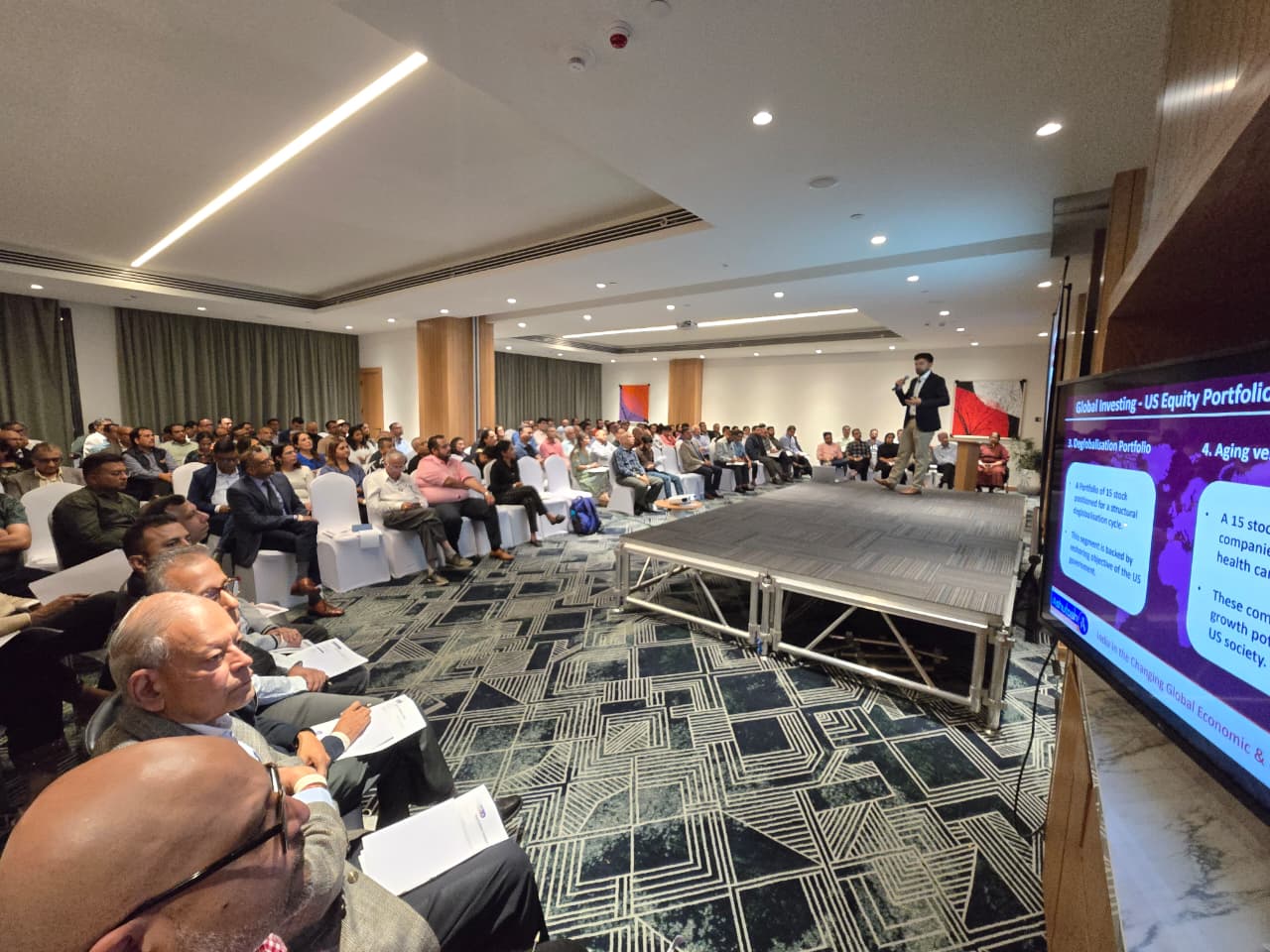
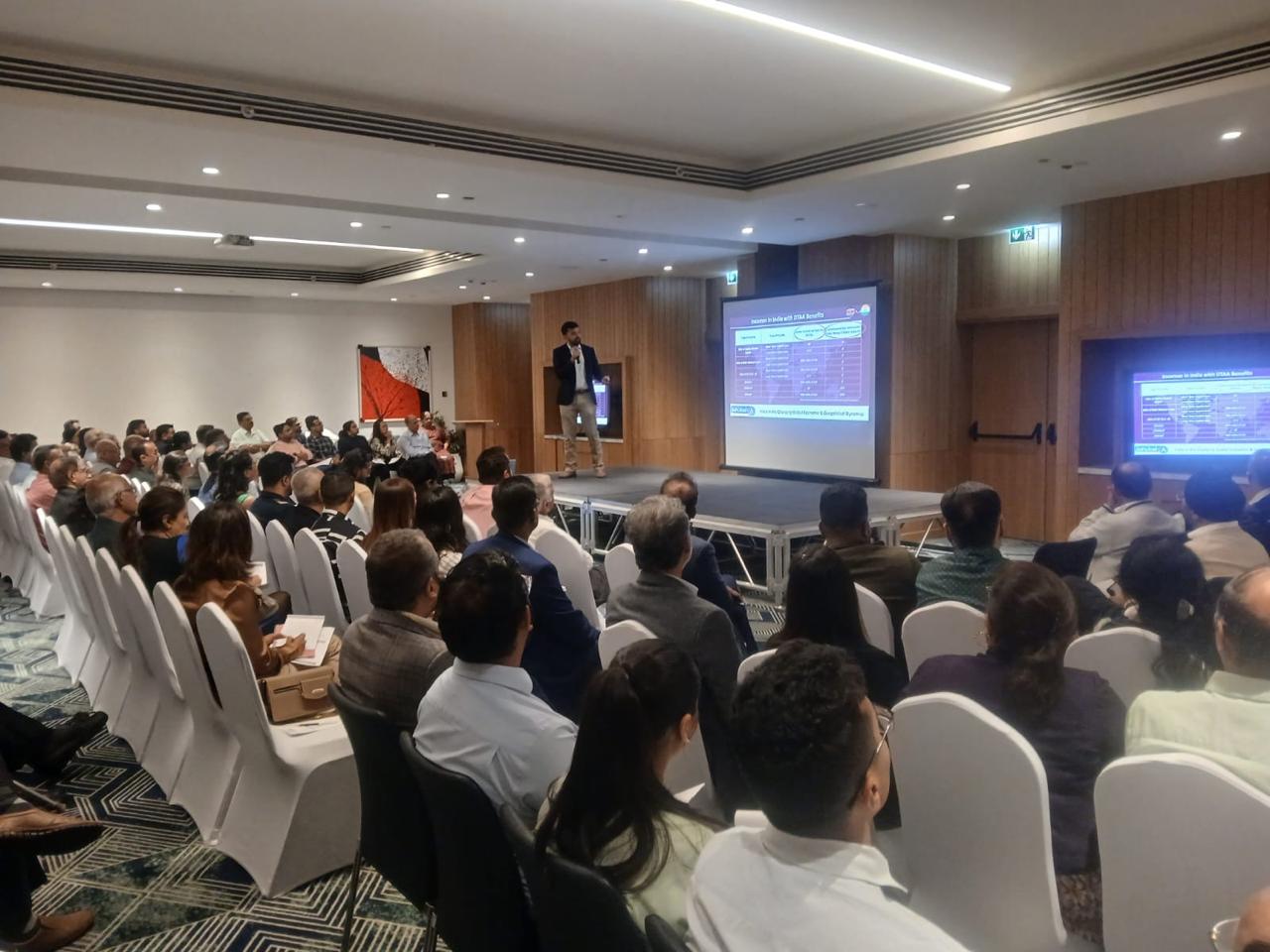
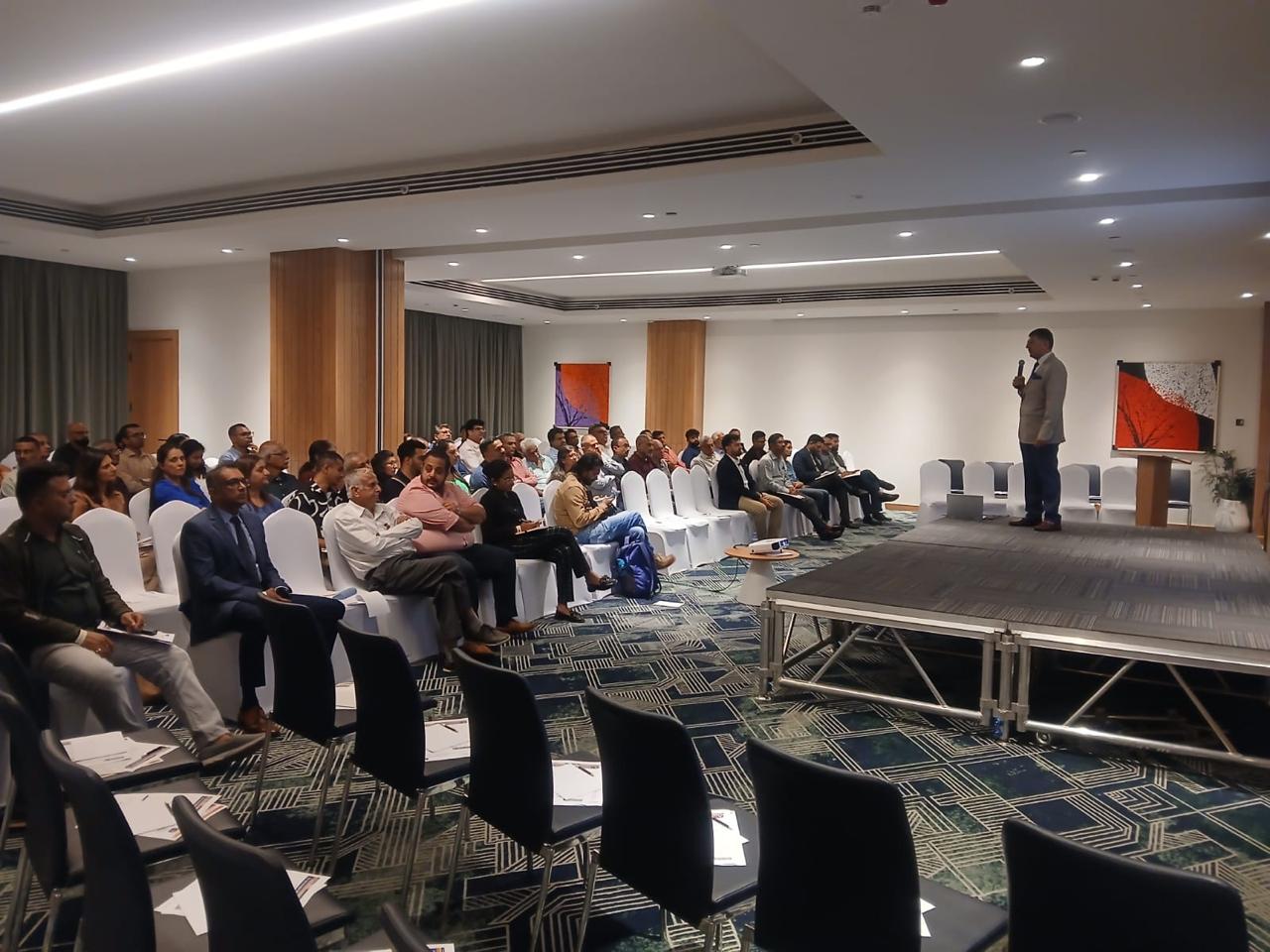
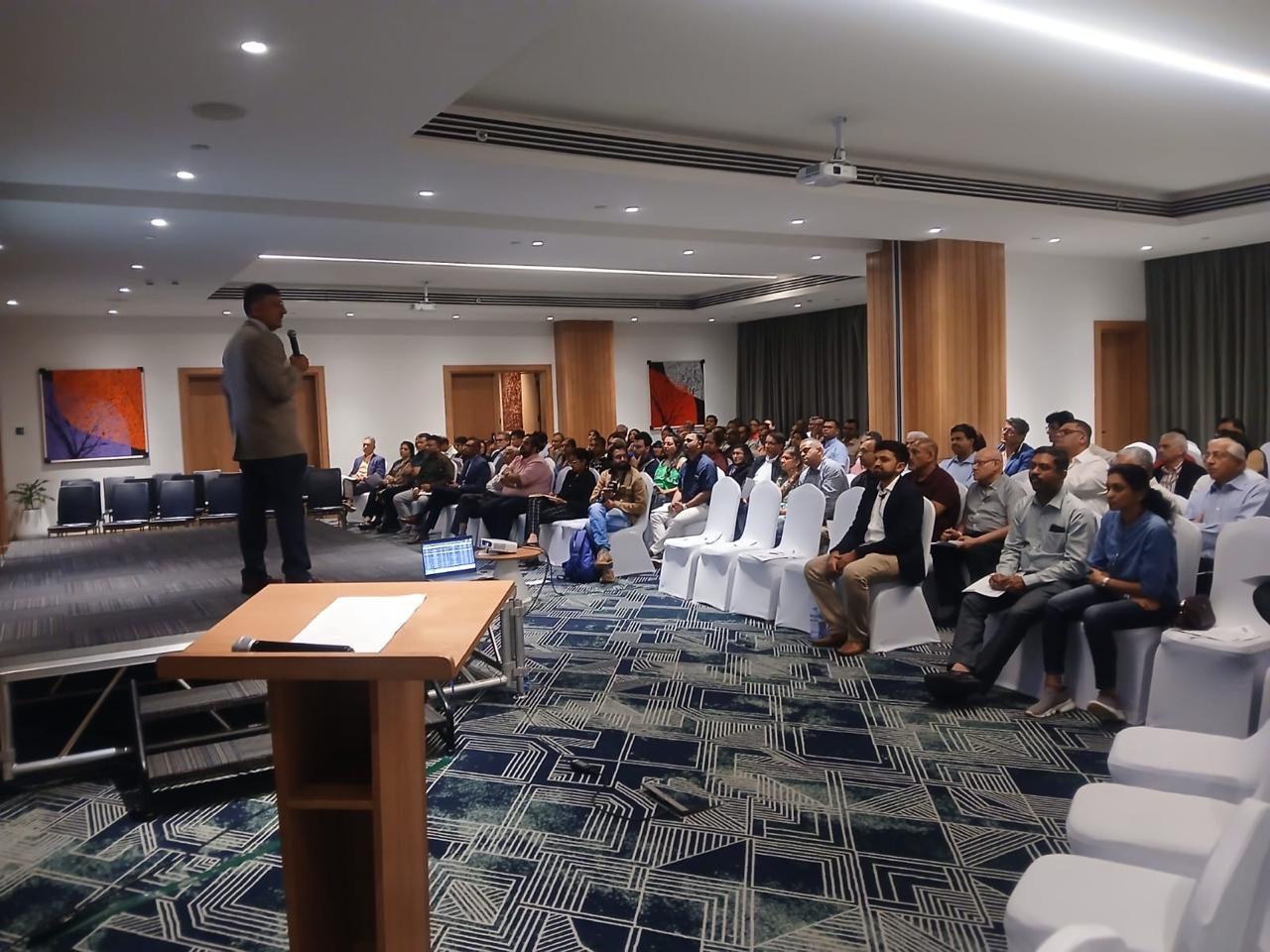
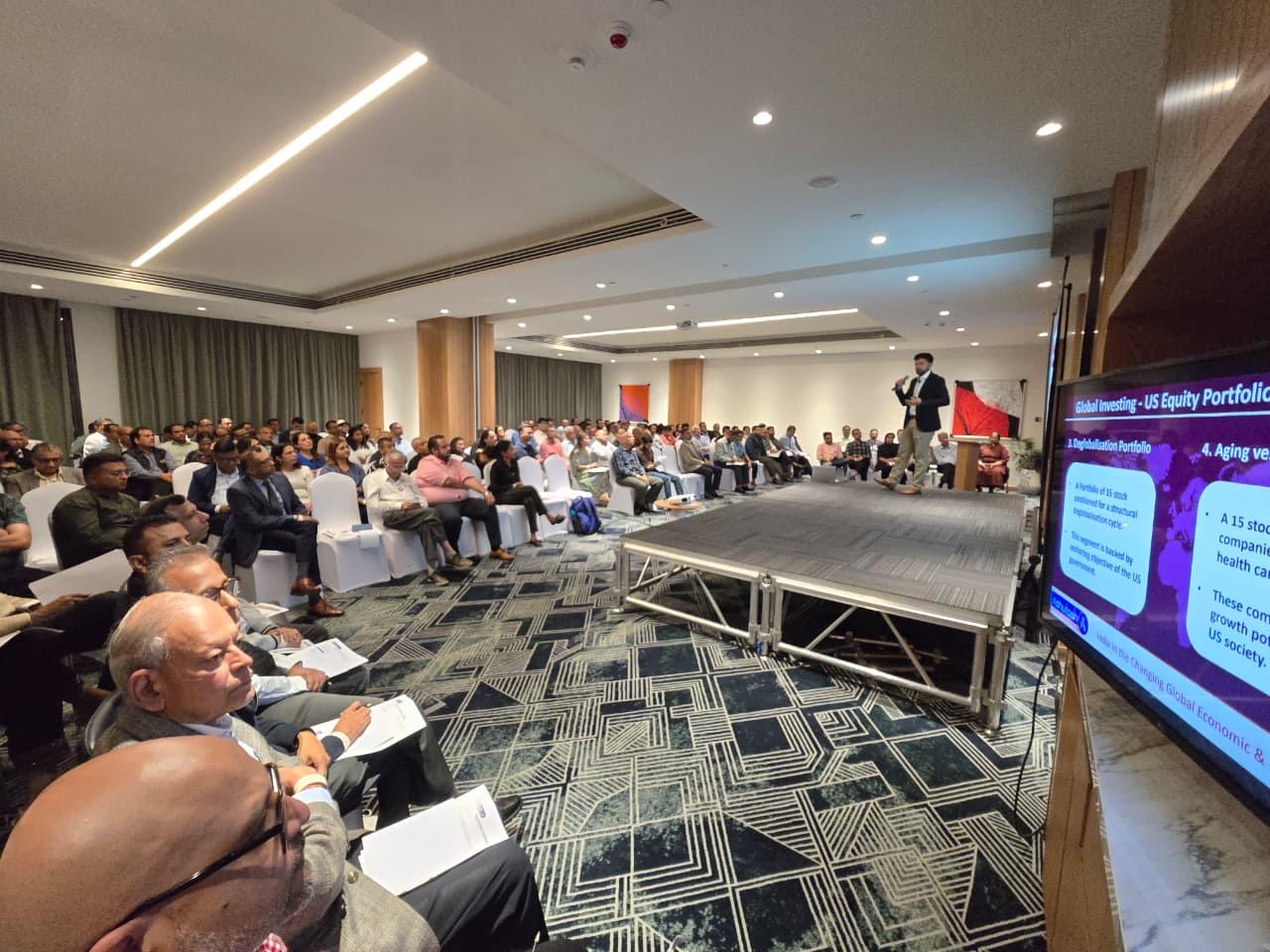
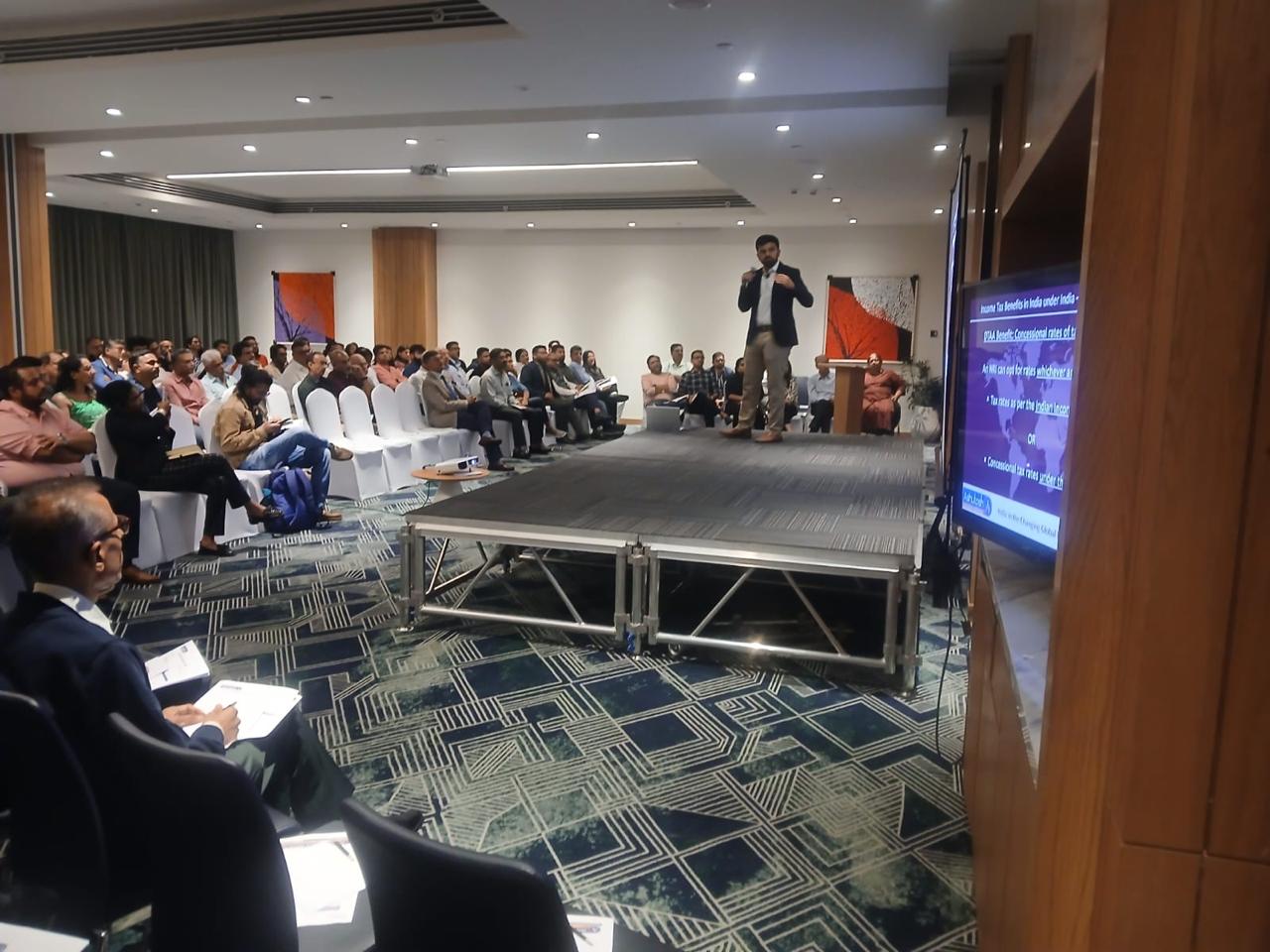
On 20th May 2026, the firm hosted “India in the Changing Global Economic & Geopolitical Dynamics” in Kenya, a session designed specifically for the Kenyan NRI community. The choice of audience was deliberate. Kenya is home to a sizeable Indian diaspora with deep financial ties back home, from ageing parents’ accounts to inherited property to long-held mutual fund folios, and many of them are navigating these ties without a clear sense of the rules that govern them. The session was led by Daxesh Kothari and CA CFP Rajit Kothari, who used it to connect the dots between global events, India’s economic standing, and the practical choices NRIs face with their Indian finances.
The session opened by unpacking two headwinds that have recently tested India’s economy: the conflict involving Iran and the rapid rise of artificial intelligence. The Iran war pushed Brent crude up nearly 50% within months, and because India imports around 90% of its crude oil, that translated into a weaker rupee, higher input costs for industry, and inflationary pressure across the economy. The speakers were careful to frame this in context rather than alarm: history shows that spikes in oil prices tend to be temporary, and when viewed over a longer stretch, their average impact on the economy is far smaller than headlines suggest. On the AI front, fears that India’s IT services industry could become redundant have weighed on sentiment, with the Nifty IT index falling sharply and foreign investors pulling out capital. Yet the session pointed to a steadier undercurrent: Global Capability Centres in India already employ over two million people and continue to expand, and AI is just as likely to improve productivity across the broader economy as it is to disrupt any single sector.
Set against these pressures, the data presented painted India as a notably resilient economy, projected to grow faster than every other major economy in 2026, and among the better performing stock markets globally over a 30-year horizon. The rupee’s depreciation against the dollar was explained not as a sign of weak fundamentals but largely as a function of inflation differentials and global capital flows, a distinction that matters when NRIs are deciding whether to hold, invest, or repatriate funds.
A substantial part of the session was devoted to the practical rules NRIs actually need: how NRO, NRE, and FCNR accounts differ, why GIFT City bank accounts offer tax-free interest with fully repatriable funds, and how funds can be moved out of India under the USD 1 million scheme once applicable taxes are settled. Succession came up as an area where assumptions often go wrong. Nominees, the speakers clarified, are custodians and not owners; the actual legal heirs are determined by a valid will or, in its absence, by succession law, which for Hindus follows a specific and sometimes unexpected order of heirs. A will for Indian assets can be validly prepared and notarised outside India, which removes one common obstacle for those settled abroad.
On taxation, the session explained how the India-Kenya Double Taxation Avoidance Agreement allows NRIs to choose whichever tax treatment is more favourable, and walked through the process of obtaining a Tax Residency Certificate to access concessional or nil rates on capital gains and other income.
The investment portion covered a wide canvas: professionally managed mutual fund and PMS portfolios in India, the GIFT City route that allows dollar-denominated investing without an Indian demat or bank account, and global diversification options spanning US equities, Chinese markets, gold and silver, copper, and a broader basket of economies beyond the US, China, and India. Retirement planning was illustrated through goal-based calculations, showing how a monthly SIP today can be structured to fund a target income after retirement, while real estate was discussed candidly as a less practical route for most NRIs, given the liquidity and management challenges it typically brings.
Sessions like this reflect Ashutosh Financial Services’ continued effort to keep the diaspora informed, not just about markets, but about the regulatory and structural realities that shape smart financial decisions across borders.