Financial decisions rarely go wrong because people lack intelligence. They go wrong because people lack context. It is with this belief that Ashutosh Financial Services continues to organise sessions across the world where Non-Resident Indians can step back from day-to-day investing and understand the bigger picture shaping their money. Financial literacy, in this view, is not a one-time exercise but an ongoing conversation, and every session is designed to add one more layer of clarity to that conversation.
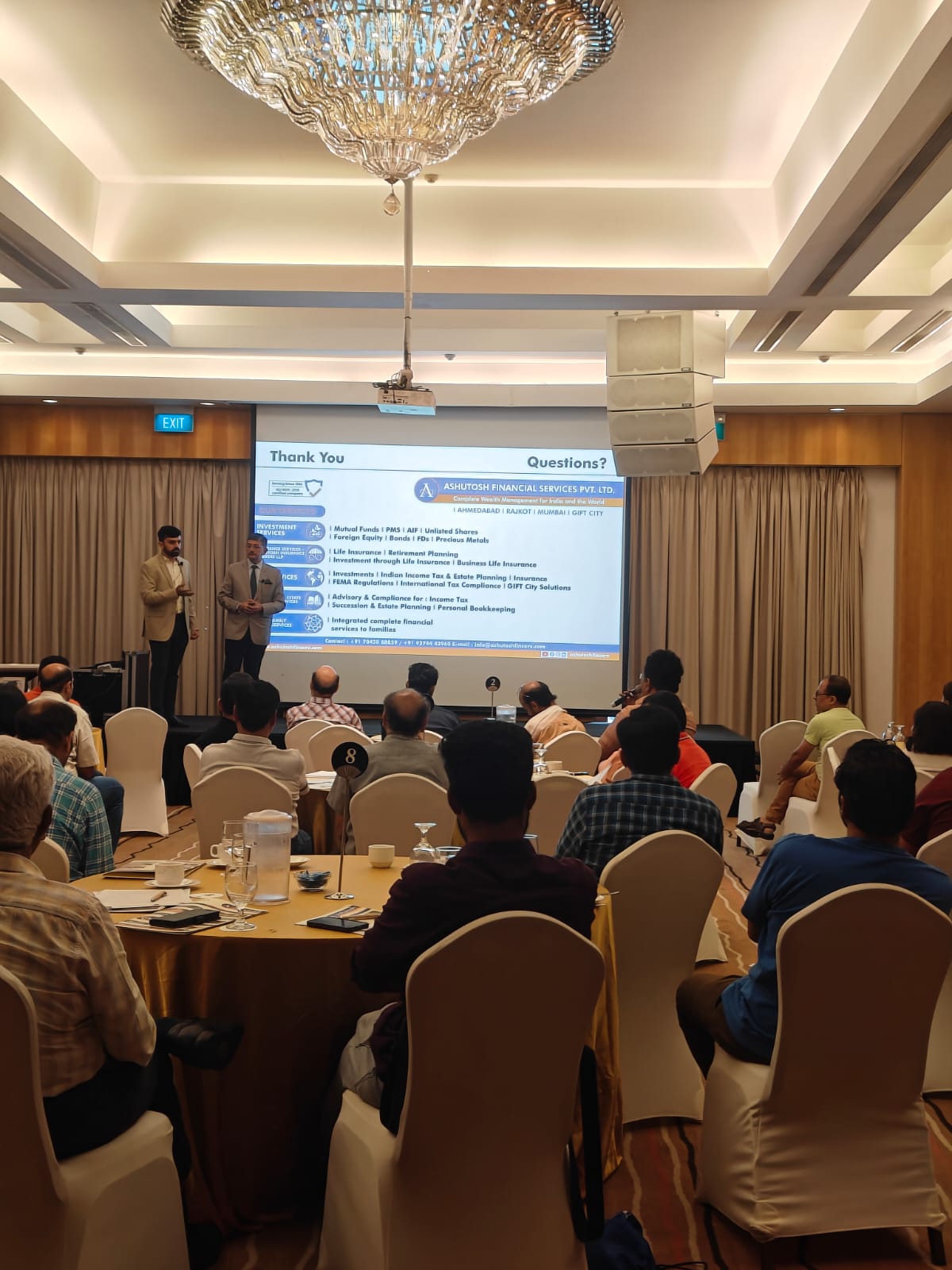
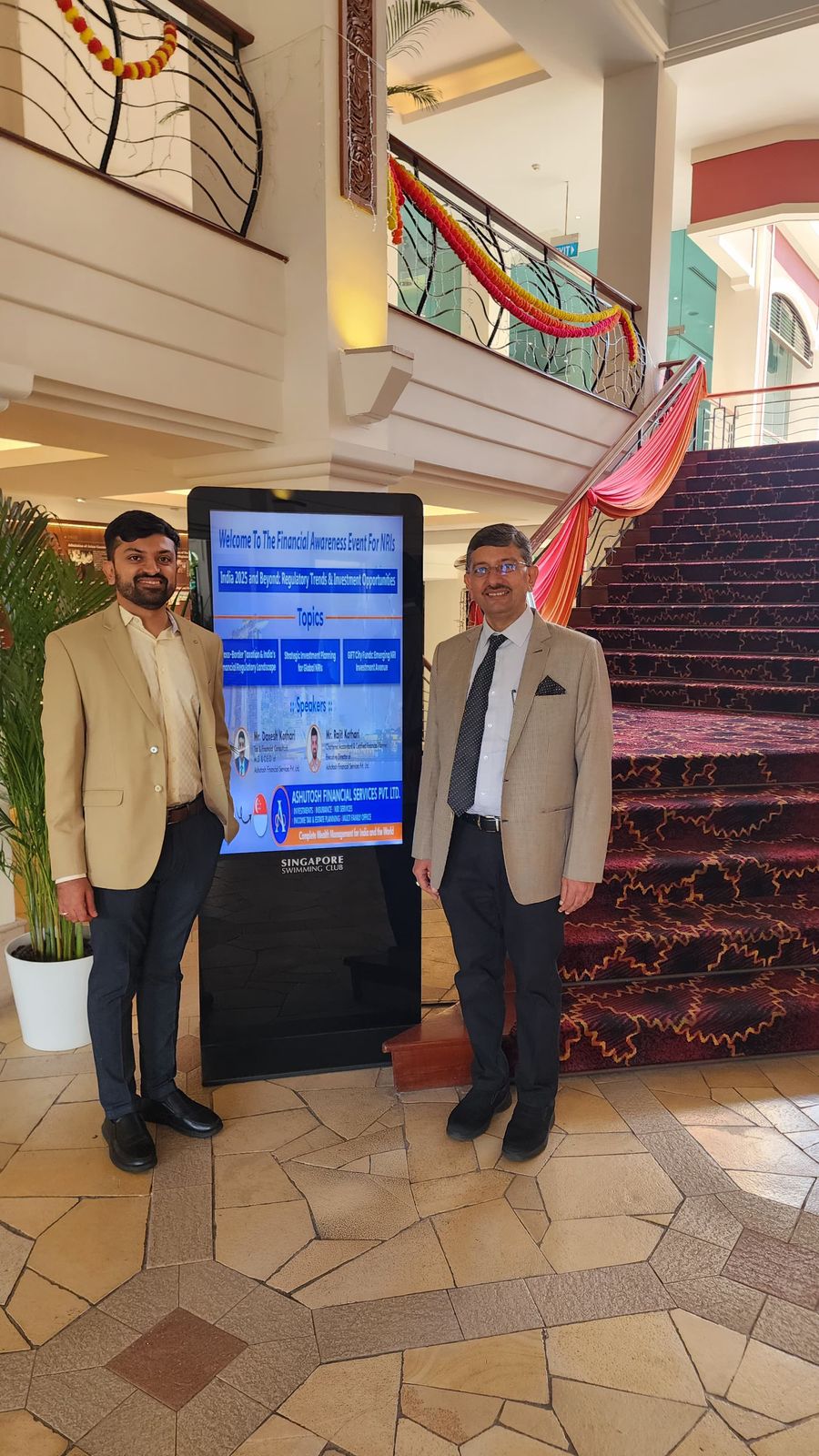
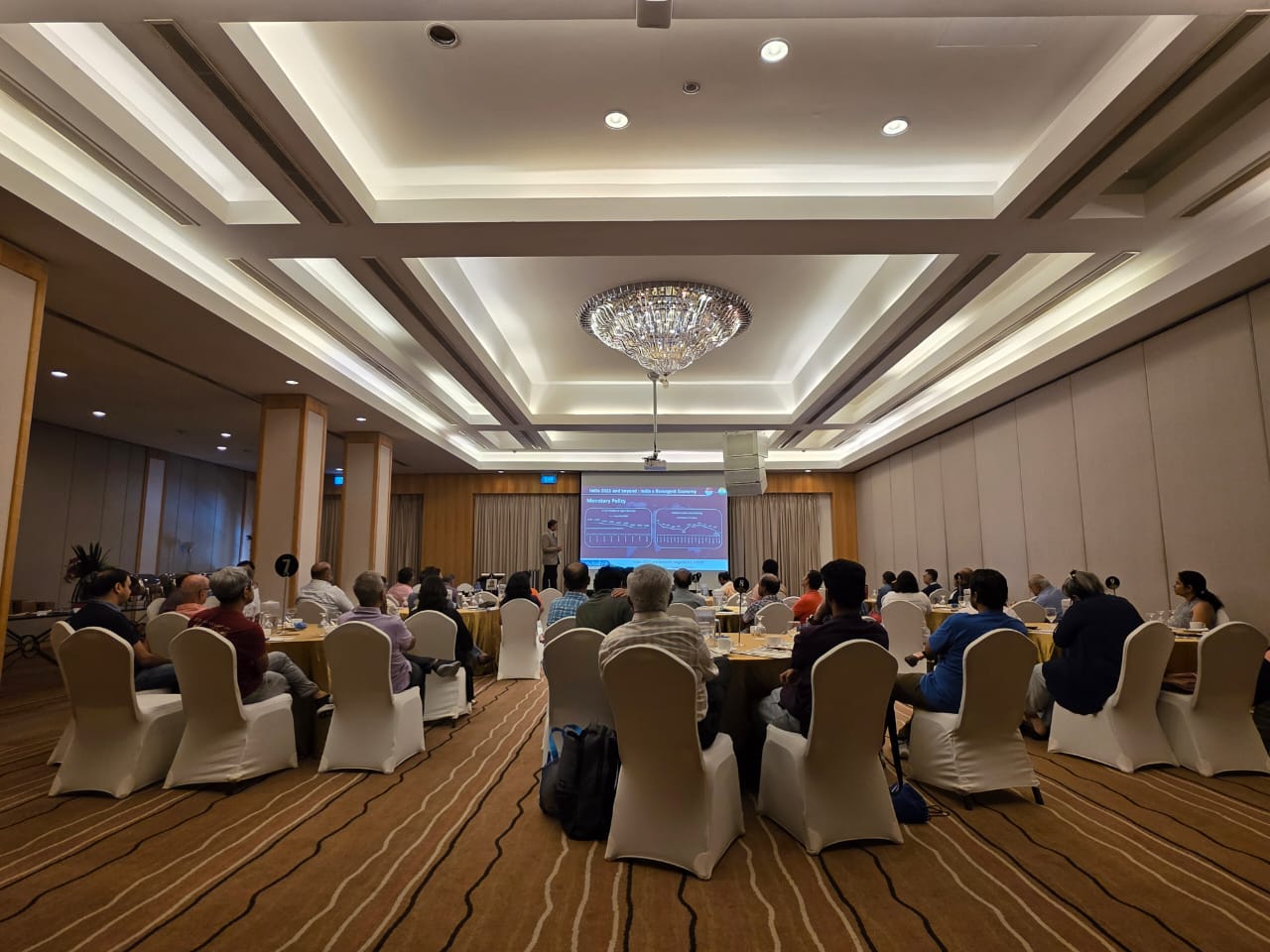
On 8th November 2025, this thinking took shape in Singapore through a session titled “India 2025 and Beyond: Regulatory Trends and Investment Opportunities.” The event was aimed specifically at the Singapore-based NRI community, a group that straddles two financial systems and often finds itself asking the same questions: how is India’s economy actually performing, what has changed in regulation, and where does it make sense to invest given the realities of currency, tax, and distance. Daxesh Kothari and CA CFP Rajit Kothari led the discussion, bringing together perspectives on economics, regulation, and portfolio construction in a single sitting.
The session opened with a look at India’s standing among the world’s major economies. India continues to grow faster than every other large economy, aided by tax reforms that have raised the income threshold before tax applies and simplified the Goods and Services Tax structure into fewer slabs, both intended to leave more money in the hands of consumers and businesses. Interest rates have also come down over the past year, easing the cost of borrowing and, in theory, encouraging both personal loans and corporate spending. A young population, with roughly half of India’s 1.4 billion people under 25, was presented as an underlying structural advantage rather than a passing statistic, since a large working-age population sustains consumption and productivity over decades, not years.
The discussion also addressed a more immediate concern for many NRIs: the steep tariffs the United States has placed on certain Indian exports. Sectors such as textiles, gems, and handicrafts have felt the impact, though these represent a relatively small and labour-driven part of the overall economy. Meanwhile, sectors that many NRIs are more likely to have exposure to as investors, including pharmaceuticals, electronics, and information technology services, remain largely unaffected, and negotiations between the two governments continue.
A significant portion of the session focused on the practical regulatory questions NRIs face once they move abroad. This included how bank accounts change status under India’s foreign exchange rules, the difference between accounts that hold repatriable and non-repatriable funds, and the process for moving money out of India, which currently allows transfers of up to one million US dollars a year once applicable taxes are settled. The speakers also walked through when a PAN card or Aadhaar is required, and clarified a point that often causes confusion: holding an Aadhaar is not compulsory for an NRI, but if one is held, it must be linked to the PAN.
Succession planning received particular attention, an area many NRIs postpone until it becomes urgent. The session explained how Indian assets are distributed when someone dies without a will, based on where the person is domiciled, and how a valid will can be prepared and witnessed even while residing overseas. A useful clarification offered was that naming a nominee on an account does not make that person the legal owner of the asset; ownership still follows the will or, in its absence, succession law.
On the investment side, the conversation moved through several established and newer routes available to NRIs, from mutual funds and unlisted shares to direct access to US equities and portfolio themes ranging from artificial intelligence to cybersecurity. Considerable time was also given to GIFT City, India’s international financial centre in Gujarat, which allows NRIs to invest through funds that carry no Indian tax filing obligations and do not require a local bank or demat account, an arrangement designed to remove much of the friction that has historically discouraged overseas participation in Indian markets. Retirement planning was framed as a goal-based exercise, weighing systematic equity investments against guaranteed income products depending on an individual’s timeline and comfort with market movement.
Sessions like this one exist because financial decisions taken with the right information tend to age well, while those taken in a hurry rarely do. Ashutosh Financial Services remains committed to bringing such conversations to NRI communities wherever they are, so that distance from India need not mean distance from understanding it.